The Inflammation-Disease Connection
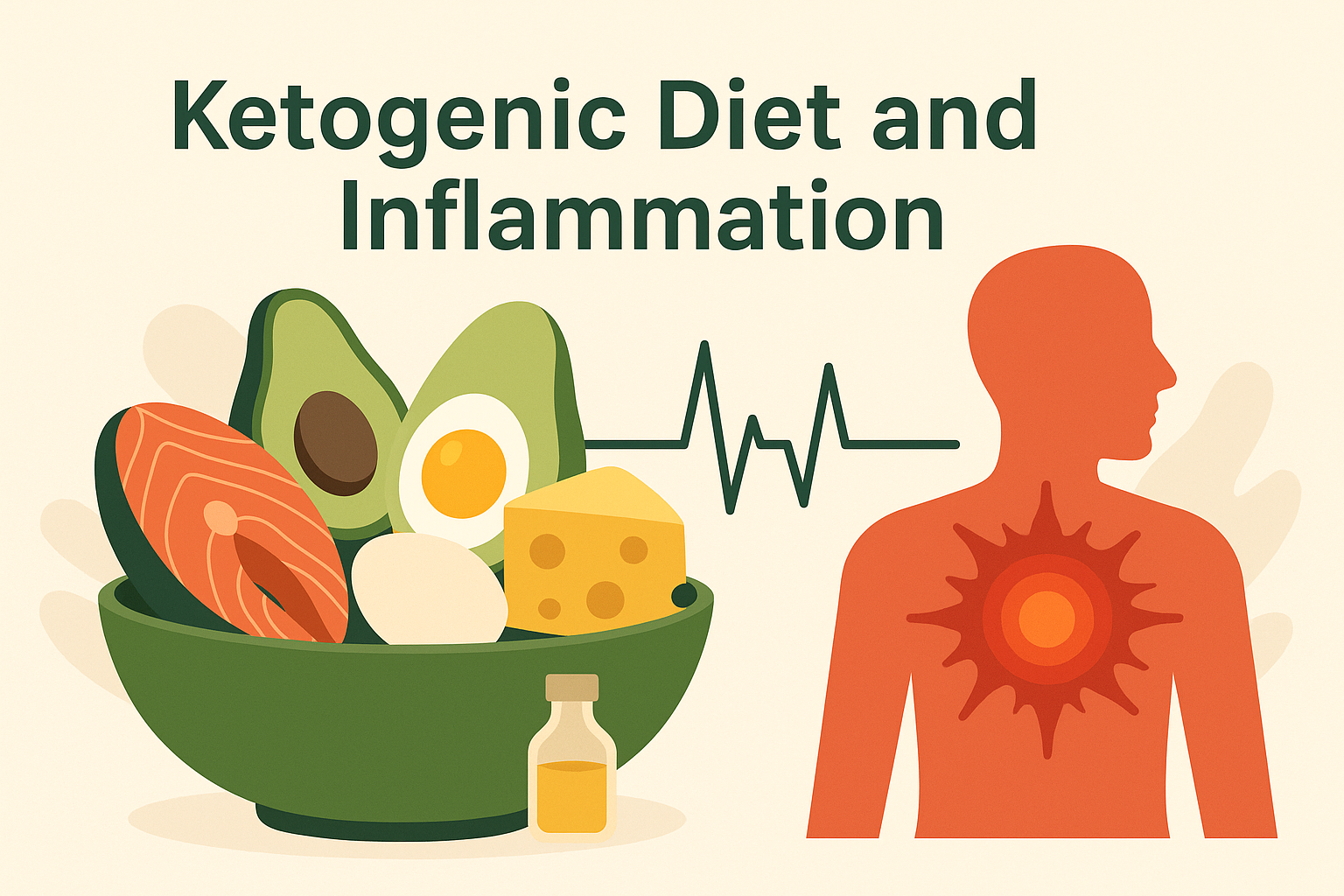
Chronic inflammation has been increasingly recognized as a key underlying factor in many diseases and health conditions. Low-grade inflammation for a long time can result in autoimmune disorders as well as cardiovascular disease, cancer, and even Alzheimer's. The good news is that diet changes in lifestyle can influence inflammation and increase your overall health. In recent years, the connection between the Ketogenic Diet and Inflammation has gained attention for its high-fat, low-carb approach helps the body shift from using sugar to fat for fuel and potentially reduces inflammatory responses in the process.
The Ketogenic Diet and Inflammation: A Closer Look
There has been plenty of research on the ketogenic diet and its impact on the immune system and the results are mostly encouraging. Here's a closer look at some of the key mechanisms by which a keto diet may help reduce inflammation and why the relationship between inflammation and a ketogenic diet continues to draw scientific interest:
- Reduced Oxidative Stress: The high-fat and low-carb nature of the ketogenic diet has been shown to decrease oxidative stress, which is a major contributor to inflammation, by improving mitochondrial function and reducing free radical production.
- Improved Gut Health: Eating a keto diet may boost the growth of friendly bacteria in the gut to keep inflammation in check. Concentrating on eating fewer grains and sugar can assist in having a healthy bacterial environment in the gut.
- Reduced Adipose Tissue Inflammation: An excess of body fat, mainly the visceral kind, results in more inflammatory cytokines. Because the diet is helpful for losing weight and body fat, it may also lower levels of inflammation in the body.
- Modulation of Inflammatory Pathways: Researchers believe that getting into ketosis from a keto diet may calm inflammation, especially by altering the expression of certain genes and the ratio of pro- and anti-inflammatory molecules in the body.
Clinical Evidence: Ketogenic Diets and Inflammation in Practice
Though the ketogenic diet's potential anti-inflammatory effects have plausible explanations and real research verifying the link between the ketogenic diet and inflammation is also fairly positive. Numerous clinical studies have revealed that the diet can reduce signs of inflammation in several populations and diseases:
- Overweight and Obesity: In overweight and obese people, a ketogenic diet was linked in the 2017 study to significantly decrease the presence of two inflammatory substances including C-reactive protein (CRP) and interleukin-6 (IL-6).
- Multiple Sclerosis: A small pilot study involving patients with multiple sclerosis taking part in a six-month ketogenic diet showed lower levels of inflammatory proteins and made them experience less fatigue, fewer depressive symptoms and better overall quality of life.
- Type 2 Diabetes: A 2017 review looked at the effect of ketogenic diets on type 2 diabetes and discovered that the diet lowers glycemia and also cuts down on markers linked to inflammation especially CRP and TNF-α.
- Neurological Conditions: Many studies have shown that the ketogenic diet's anti-inflammatory effect may be helpful in treating Alzheimer's disease, Parkinson's disease and epilepsy.
Incorporating the Ketogenic Diet: Considerations and Best Practices
Although there is strong proof that the ketogenic diet helps reduce inflammation because it is essential to realize that this kind of dietary change is major and should only be followed with attention, even more so if someone has a medical condition. Learning about the connection between inflammation and the ketogenic diet makes it easier for people to figure out if using it is right for their health plan.
Suppose anyone wants to try the ketogenic diet to support their health and guard against inflammation. In that case, these best practices may be helpful:
- Start Gradually: Easing into the keto diet can help minimize potential side effects like the "keto flu" and make the transition more sustainable.
- Stay Hydrated: You should drink more fluids to aid your body while it becomes ketotic and to avoid dehydration.
- Focus on Nutrient-Dense Foods: Although the keto diet is mostly about eating fat, don't forget to fill your plate with healthy fats, great proteins and nutritious low-carb veggies. For an in-depth guide on developing a sustainable plan, check out our article: How to Create a Sustainable Keto Meal Plan.
- Monitor Inflammation Markers: For those with specific health concerns, working with a healthcare provider to track inflammatory markers like CRP, IL-6 and TNF-α can help gauge the diet's effectiveness.
- Seek Professional Guidance: Consulting with a qualified healthcare professional, such as a registered dietitian or physician makes sure the ketogenic diet is suitable for you in terms of health needs and goals.
Embracing a Holistic Approach to Inflammation Management
The inflammation and ketogenic diet connection shows promise as a potential anti-inflammatory intervention because it's better to use a wide range of strategies against inflammation. Making exercise, stress management and enough sleep part of your lifestyle adds support to your body's process of reducing inflammation and enhancing your wellness.
Extensive research is being done on this topic since a connection between ketogenic diets and inflammation could improve our knowledge of how to prevent and control various chronic illnesses. Informed people can discuss this approach with experts and use a wide approach to wellness to gain benefits while ensuring they are healthy.