
Understanding Ketosis and Fat Adaptation
The ketogenic diet has gained immense popularity in recent years, and for good reason. This low-carb and high-fat diet puts the body in a metabolic state known as ketosis, in which case it shifts from burning glucose as its primary energy source to burning fat. Sustained ketosis can lead to fat adaptation and cause a deeper metabolic alteration whereby the body becomes quite efficient in using fat as its main energy source.
Based on research published in Frontiers in Nutrition in 2022, participants following a ketogenic diet for more than six weeks burned 50 to 70% more body fat during exercise. Again, ketosis and fat adaptation bring many advantages to the patient's health, energy, and athletic performance.
The Metabolic Shift: From Glucose to Ketones
When carbohydrates are not consumed regularly, your body's glucose storage gets used up and switches to ketosis. At that point, the liver changes fat into ketones used by the brain, heart and other key organs as fuel.
When the body makes ketones, the main ones it produces are acetoacetate, beta-hydroxybutyrate and acetone. Because these molecules can get into the brain, they offer it energy, as the brain mainly uses glucose.
Becoming a Fat-Burning Machine
Ketosis is the first part of metabolic change, but fat adaptation is the main and lasting part. At this point, your body uses fat to generate energy, so it needs less glucose and glycogen from your diet.
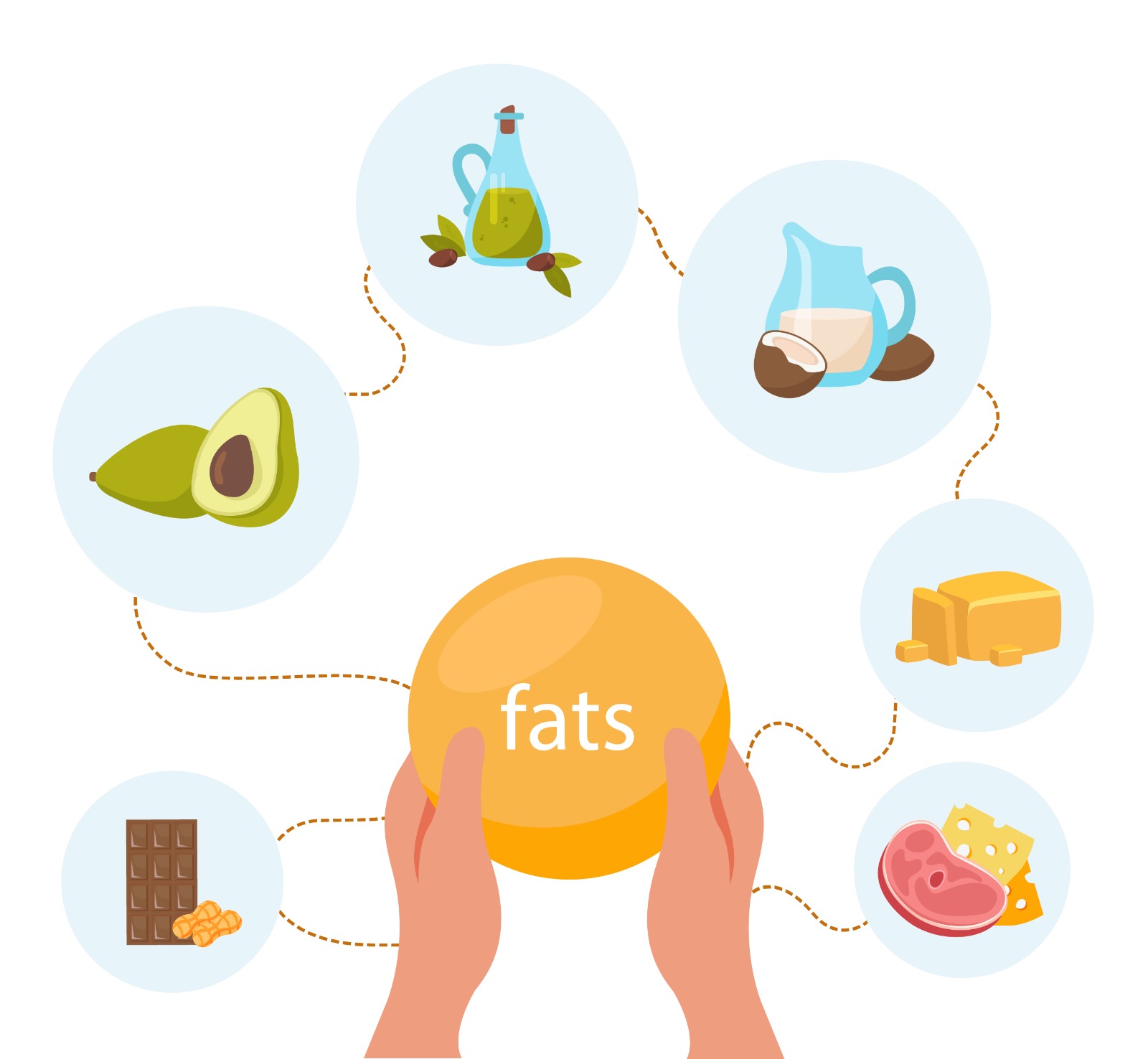
As your body becomes more fat-adapted, your body increases the activity of certain enzymes and transporters which allows you to oxidize more fat (via fatty acid oxidation) from your body's stores. Depending on the state of your metabolism, how active you are and how regularly you diet, ketosis can occur within several weeks to many months.
Benefits of Fat Adaptation
When you are fully fat-adapted, you may experience many positive effects, including:
- Sustained Energy: Ketones provide a steady energy source, reducing fatigue and energy crashes.
- Appetite Control: Fats and ketones can help fill people up fast, so cravings and hunger usually subside.
- Mental Focus: Ketones can improve your ability to focus, remember things and keep your thoughts clear.
- Metabolic Efficiency: Fat adaptation enhances your body's ability to burn fat for fuel, promoting weight loss and body composition improvements.
- Potential Therapeutic Benefits: Ketosis and fat adaptation have been linked to possible benefits for various health conditions such as type 2 diabetes, neurological disorders and some types of cancer.
The Role of Ketones in Fat Adaptation
Ketone bodies are important in helping the body switch to fat-burning. When ketone levels go up, even in those who follow a hyperketosis diet, they help fuel the brain and other organs without needing glucose. It is referred to as the keto-adaptation process.
During keto-adaptation, your body undergoes several physiological changes, including:
- Increased Fat Oxidation: Your body becomes more efficient at breaking down and utilizing fat for energy.
- Upregulation of Ketone Transporters: Special transporters in several tissues, such as the blood-brain barrier, are increased to help cells absorb and use ketones.
- Mitochondrial Biogenesis: The number and function of mitochondria (the energy powerhouses of cells) increase to support the efficient use of ketones and fatty acids for energy production.
Overcoming the Keto-Adaptation Period

While the benefits of fat adaptation are remarkable, the transition period can be challenging for some individuals. You should realize that becoming fat adapted takes a certain adjustment period. As you begin the ketosis process, you may notice signs of the so-called keto flu which include tiredness, a racing mind, headaches and digestive problems.
These symptoms are typically temporary and result from the body's adjustment to using ketones as a primary fuel source. Suggestions to beat the keto flu are:
- Hydration: Water and Sports drinks help to prevent dehydration and boost your electrolyte levels.
- Electrolyte Supplementation: Sodium, potassium and magnesium can help the body make up for any deficiencies in electrolytes.
- Gradual Transition: Do not suddenly eliminate all carbs; try a gentle step-by-step method to ease your body into it.
- Exercise: Regular physical activity can help your body burn through excess ketones and accelerate adaptation.
Optimizing Ketosis and Fat Adaptation
The best way to take advantage of ketosis and fat adaptation is to stick to a ketogenic diet and adopt routines that encourage this metabolic condition.
For those new to the ketogenic lifestyle and wondering what is fat adapted to, their body now mainly burns fat rather than glucose to produce energy. Here are some main things that can assist in this period:
- Carbohydrate Restriction: If you follow the Low-Carb diet, try to eat between 20 and 50 grams of carbs a day, depending on what your body does well with.
- Healthy Fat Intake: Consume healthy fats from sources like avocados, nuts, seeds, olive oil, and fatty fish to provide energy and support hormone production as key components as you work to fat-adapt your metabolism.
- Adequate Protein: Get enough protein in your diet so your muscles do not shrink and your body can work properly.
- Stress Management: If stress occurs constantly, it can reduce ketone production and lower your body's ability to use fat. You can reduce stress by meditating, practicing yoga or breathing deeply.
- Consistent Exercise: Sticking to exercise helps resistance with training. High-intensity interval training can maximize the positive impacts of ketosis and fat adaptation.
- Monitoring and Adjustments: Track your progress using ketone meters, body composition analysis and subjective markers (energy levels, mental clarity, etc.). Modify your lifestyle and the things you eat to get the best benefits.
Embracing the Ketogenic Lifestyle
You need to stay committed to the ketogenic lifestyle for a long period to get and stay in ketosis and fat adaptation. While the initial transition may present challenges, the potential rewards of enhanced health, energy, and performance make the journey worthwhile.
Understanding the difference between fat adapted vs ketosis is about the ketones in your blood, while being fat-adapted means your body has learned to use fat for most of its energy.
Fat Adapted vs Ketosis
| Aspect | Ketosis | Fat Adapted |
|---|---|---|
| Definition | Ketones present in the blood | Efficient fat-burning metabolism |
| Timeframe | 2�7 days | Several weeks to months |
| Main Fuel Source | Ketones | Stored and dietary fat |
| Energy Levels | May fluctuate | Steady and sustained |
| Hunger/Cravings | Can persist | Greatly reduced |