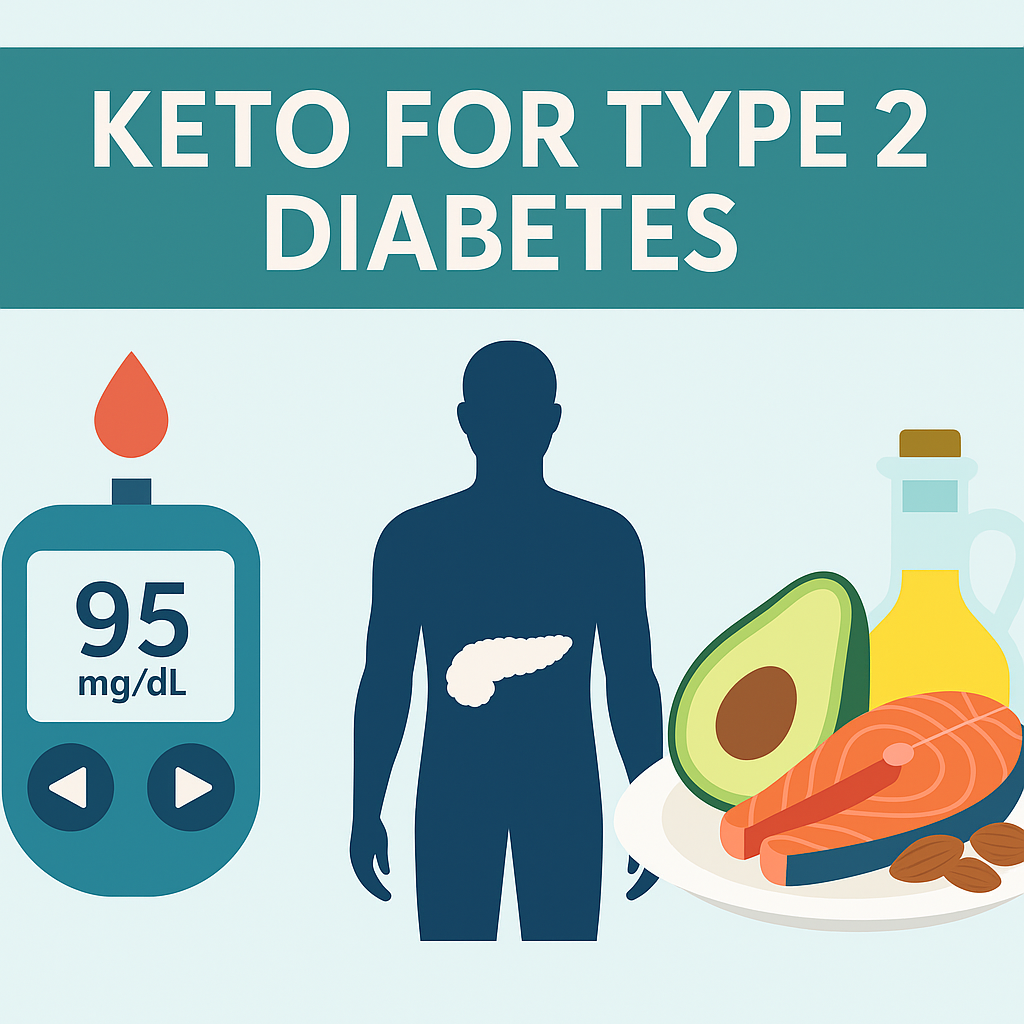
Despite taking medicine and following a healthy lifestyle, type 2 diabetes is still hard to manage for you? A lot of people are going through the same thing, and more evidence is appearing that the ketogenic diet could make a difference. Keto for type 2 diabetes is triggered by insulin resistance and high sugar levels in the blood, and can be hard to deal with. But because the keto diet relies on a low-carb and high-fat plan, it has become known for possibly helping keep blood sugar at an even level and increase insulin sensitivity. Learning about this eating plan allows people to be aware of their lifestyle, make healthy choices, and boost the quality of their lives.
Insulin Resistance and Carbohydrate Metabolism
Cells do not react well to insulin in keto for type 2 diabetes, a major reason this condition is called insulin resistance. As a result of this resistance, blood sugar rises since the body has trouble using glucose for energy. Especially the refined and processed types, carbohydrates may boost blood sugar rapidly, putting even more strain on insulin regulation by the body.
The Ketogenic Diet: A Low-Carb Solution
The ketogenic diet involves eating a lot of fat, fewer proteins, and fewer carbohydrates. With greatly cut carbohydrates, the body gets its fuel from fat because it's now in ketosis. If you are uncertain about how to manage your fat, protein and carbohydrate consumption, refer to our detailed guide for calculating your ideal keto macros. This shift in fuel source has several beneficial effects for individuals with type 2 diabetes:
- Improved Insulin Sensitivity: Reducing carbs in the ketogenic diet lightens the insulin load and enhances the body's sensitivity to insulin.
- Reduced Blood Sugar Fluctuations: Eating fewer carbohydrates prevents big changes in blood sugar that result in more constant levels.
- Weight Loss: This ketogenic diet can cause weight loss, making insulin more effective and helping overall metabolism. For an easy approach, check out the 7-Day Keto Meal Plan for Weight Loss Beginners.
Clinical Evidence and Research of Keto for Type 2 Diabetes
Experts have carried out several studies to learn about the positive effects of a ketogenic diet for individuals with type 2 diabetes. Evidence from a recent systematic review in the journal Nutrients proves that the ketogenic diet reduces HbA1c levels and also improves various metabolic factors.
The Journal of Clinical Endocrinology and Metabolism published a study that proved keto-type 2 diabetes sufferers need fewer medications and their insulin is more responsive on a low-carb, ketogenic diet than on a low-fat one.
Implementing Keto for Type 2 Diabetes
The ketogenic diet is effective for type 2 diabetes but it is vital to consult a professional or a registered dietitian. Those who are thinking of trying these strategies should take these things into consideration:
- Carbohydrate Restriction: The ketogenic diet typically restricts carbohydrate intake to less than 50 grams daily or even lower, depending on individual needs and goals.
- Nutrient-Dense Foods: Choose meals that include avocados, nuts, seeds, fatty fish and healthy oils to help you stay healthy and eat all the required nutrients.
- Hydration and Electrolyte Balance: Drinking enough water and replacing electrolytes is necessary in the early days of the ketogenic diet to avoid getting tired or having muscle cramps.
- Medication Adjustments: Patients may need to alter their prescribed medicines because the ketogenic diet can be very helpful in controlling blood sugar.
Sustainability and Long-Term Adherence
The ketogenic diet can be an effective approach for managing type 2 diabetes. Still, long-term adherence and sustainability can be challenging for some individuals. Anyone beginning this lifestyle would find it simpler to use a Keto diet for beginners. One needs to choose a way of eating that matches their taste, daily habits and culture.
Regular visits to healthcare professionals and continuous support can make it easier for individuals to keep following the ketogenic diet or look into other low-carbohydrate approaches that are best for them. When one understands how keto for type 2 diabetes works and its outcomes, then they can decide if this eating plan might benefit their well-being.